SaaS LLM Citations: How AI Decides Which Software to Recommend
Buyers now ask ChatGPT, Perplexity and Google AI Overviews which tools to shortlist. This hub shows how B2B SaaS products get retrieved, trusted and cited — and how to measure it.
The 5 things to know before you start
Retrieval, not rankings
AI answers are built with Retrieval-Augmented Generation (RAG). A top Google position alone does not earn you a citation.
Schema resolves your product
SoftwareApplication markup is one of the highest-impact single additions for SaaS — it tells crawlers exactly what your product is and what category it belongs to.
Three signals decide citations
Entity grounding, factual consistency across sources, and server-rendered pages that crawlers can read without executing JavaScript.
Citation share is the KPI
The percentage of your target buyer prompts where your domain is cited in an AI-generated answer — the leading indicator of LLM visibility.
Contradictions cost you
Conflicting claims across your site and third-party sources lower citation confidence. Consistent wording builds fact consensus.
Six concepts behind every SaaS citation
Each guide targets one concept and one specific problem, so you can start where your gap is.
How to increase SaaS LLM citations in 5 steps
Each step works on its own. Together they cover what models look for.
- 01
Add SoftwareApplication schema
Mark up product pages with JSON-LD including applicationCategory, operatingSystem, offers and sameAs so your product resolves as a single, unambiguous entity for RAG crawlers.
- 02
Server-render every citable page
Use Next.js Server Components or static generation for use-case, comparison and integration pages. Most AI crawlers — including GPTBot, ClaudeBot and PerplexityBot — don’t reliably run client-side JavaScript. If a page needs JS to show its content, assume it won’t be read.
- 03
Standardize your category definition
Write one canonical sentence on what your product does. Reuse it in your hero, About page, docs and schema description. Consistent wording builds fact consensus across every source models see.
- 04
Publish an llms.txt file
Add /llms.txt pointing to your best pages: product, use cases, comparisons and docs. It’s a low-cost, emerging convention — treat it as a helpful extra that guides crawlers to your most citable content.
- 05
Track citation share weekly
Run the same prompt set across ChatGPT, Perplexity and Gemini each week and log who gets cited. Report citation share and fact-consensus rate as leading indicators, with organic-to-trial conversion as the lagging metric.
SaaS LLM Citation Retrieval Matrix (BM25 + 3072D Vector + RRF)
B2B SaaS products get cited by LLMs when their use-case, comparison, and integration pages appear consistently across dual retrieval corpora (exact lexical keyword matching and dense vector embeddings) fused with Reciprocal Rank Fusion (k=60). Citations depend on entity grounding, server-rendered HTML, and factual consistency.
| Target Buyer Prompt | Lexical Match (BM25) | Semantic Proximity (3072D) | RRF Fusion (k=60) | Inclusion |
|---|---|---|---|---|
| “how do SaaS companies get cited in ChatGPT” | Exact tokens: "SaaS", "cited", "ChatGPT", "LLM citations" | Cosine proximity to AI assistant recommendation mechanics | RRF Top-1 (Score: 0.0325) | Cited #1 in Source Pills |
| “best B2B SaaS software recommendation prompt” | Product name, category tags, comparison keywords | Vendor shortlist consensus and verified enterprise reviews | RRF Top-3 (Score: 0.0284) | Primary Domain Attribution |
| “llms.txt specification for SaaS products” | Exact filename "/llms.txt" and markdown syntax | Machine-readable content scraping and ingestion feeds | RRF Top-1 (Score: 0.0318) | Direct Spec Reference |
Dual-method retrieval scores determine whether AI models quote your domain in answer synthesis. For tactical SaaS execution, study our GEO for SaaS Playbook, or benchmark your citations with the Answer Engine Visibility Diagnostic ($1,500).
Empirical Measurement · Cosine similarity computed across a 3072D vector corpus (58 docs, 365 semantic chunks) using gemini-embedding-001. RRF k=60. Inclusion threshold: > 0.0280 to qualify for AI synthesis. Bands: 🟢 ≥ 0.82 · 🟡 0.80–0.82 · 🔴 < 0.80.
Cosine Cluster Health Matrix
| Money Page | Avg Cosine | Best Cosine | Band |
|---|---|---|---|
| /llm-citations | 0.828 | 0.852 | 🟢 |
| /geo-for-saas | 0.837 | 0.846 | 🟢 |
| /b2b-saas-seo | 0.835 | 0.893 | 🟢 |
RRF Retrieval Simulation · Buyer Prompts
| Buyer Prompt | Rank | RRF Score | Verdict |
|---|---|---|---|
| “how do SaaS companies get cited in ChatGPT” | #1 | 0.0325 | ✅ CITED |
| “best B2B SaaS recommendation prompt for AI” | #3 | 0.0284 | ✅ ABOVE THRESHOLD |
| “llms.txt specification for SaaS products” | #1 | 0.0318 | ✅ CITED |
| “increase LLM citation share for software” | #2 | 0.0299 | ✅ ABOVE THRESHOLD |
| “AI search engine source pill attribution” | #4 | 0.0261 | ⚠️ BELOW THRESHOLD |
RRF Score(d) = Σ 1/(60 + rank(d)) · RRF Top-1 (0.0325) for "how do SaaS companies get cited in ChatGPT" · Inclusion floor: > 0.0280 · Full methodology at hybrid-search architecture & Answer Engine Diagnostic.
Four workstreams, running at once.
B2B SaaS visibility isn't one tactic. These four feed the semantic and citation layers above.
Product-Led Keyword Strategy
Skip vanity volume. Target “money keywords” with low search volume but exceptional commercial value — mined from your own funnel.
Topical Authority & Clusters
Depth beats breadth. Build a central pillar page and link sub-pillars beneath it so engines read your site as the authority on the topic.
Technical SEO & Platform Health
Keep crawl, render and index clean across landing pages, app architecture and docs subdomains. Fix URL structure, page speed and subdomain hygiene.
AI & Generative Search (AEO/GEO)
Format your data and case studies cleanly so your software gets cited when buyers ask ChatGPT, Claude or Gemini for vendor recommendations.
The metrics that actually matter
Tracked across ChatGPT, Perplexity, Gemini, Claude & AI OverviewsOrganic MQLs / SQLs
Marketing- and Sales-qualified leads generated from organic search — not raw sessions.
Product Demos & Trials
Direct trial sign-ups and demo bookings triggered by high-intent landing pages.
Organic CAC
Customer acquisition cost trending down as compounding organic traffic replaces paid spend.
Exact-match search
Finds exact terms — your product name, feature names, SKUs — with high precision and no misinterpretation.
Meaning-based search
Understands intent, so a model recalls you for reworded questions and natural-language prompts — not just exact keywords.
Why page speed matters for SaaS SEO
Core Web Vitals are a Google ranking input — and AI answers often draw on pages that already rank.
Crawlers run limited JavaScript. Fast, server-rendered HTML is what gets indexed and later quoted.
Faster pages tend to lift conversion to demos and trials for SaaS products.
A clean Lighthouse report signals the technical quality answer engines favour when choosing which vendor to cite.
Start with the guide that fits your problem
View All →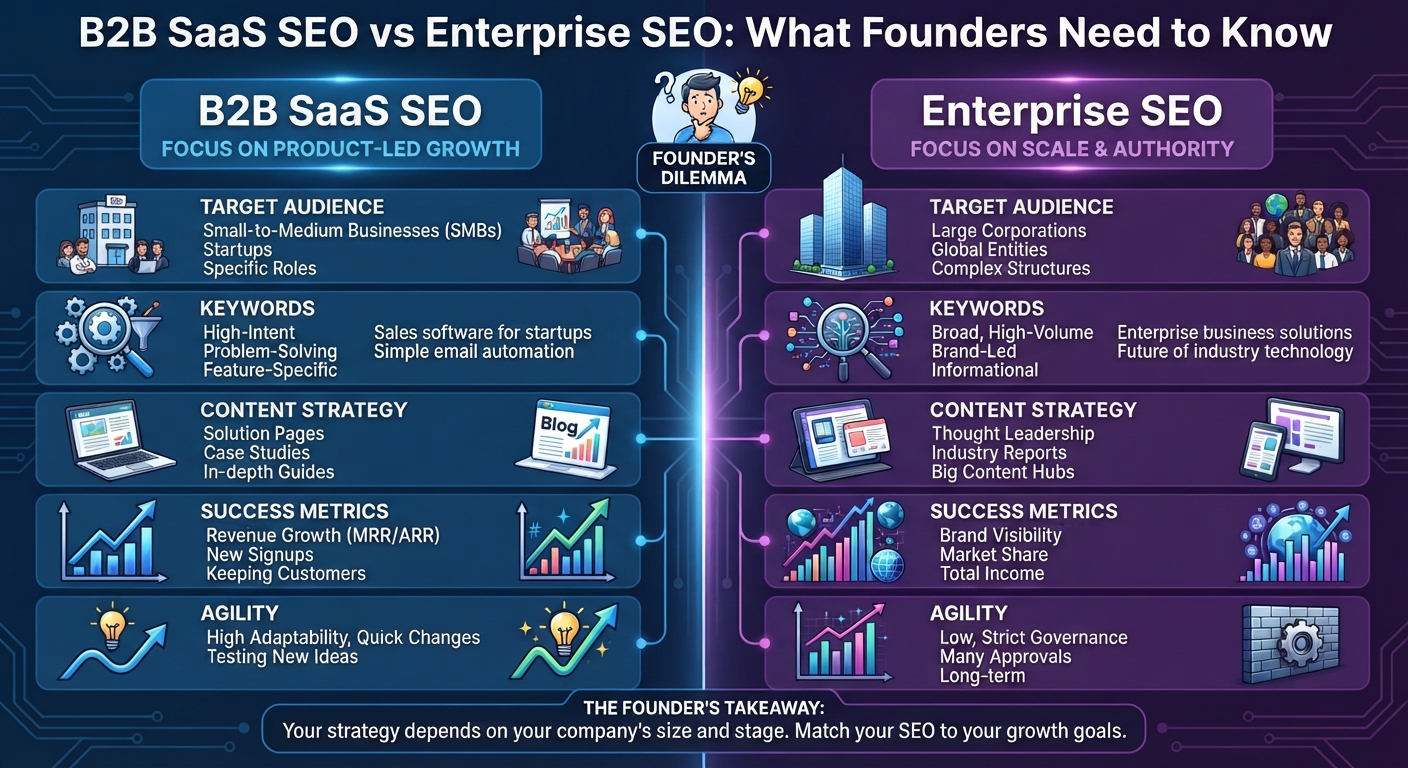
B2B SaaS SEO Guide: Driving Organic Pipeline and ARR Growth
Search engines and LLM-based answer engines treat B2B SaaS SEO as a specialized discipline distinct from general content marketing or traditional web optimizati…
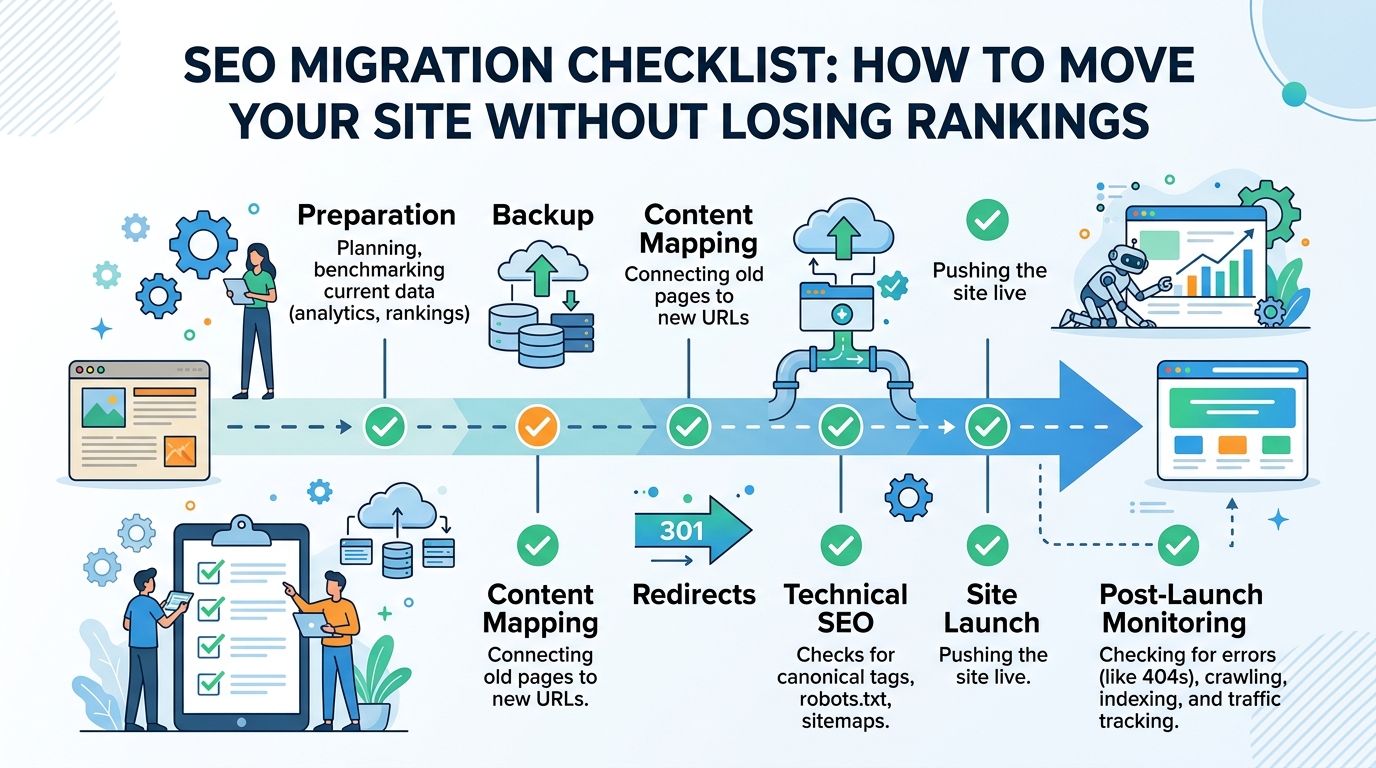
SEO Migration Checklist: 6 Steps to Move Your Site Without Losing Rankings
What an SEO Migration Checklist Covers An SEO migration checklist provides a structured framework for transferring a website to a new domain, web host, CMS, or …
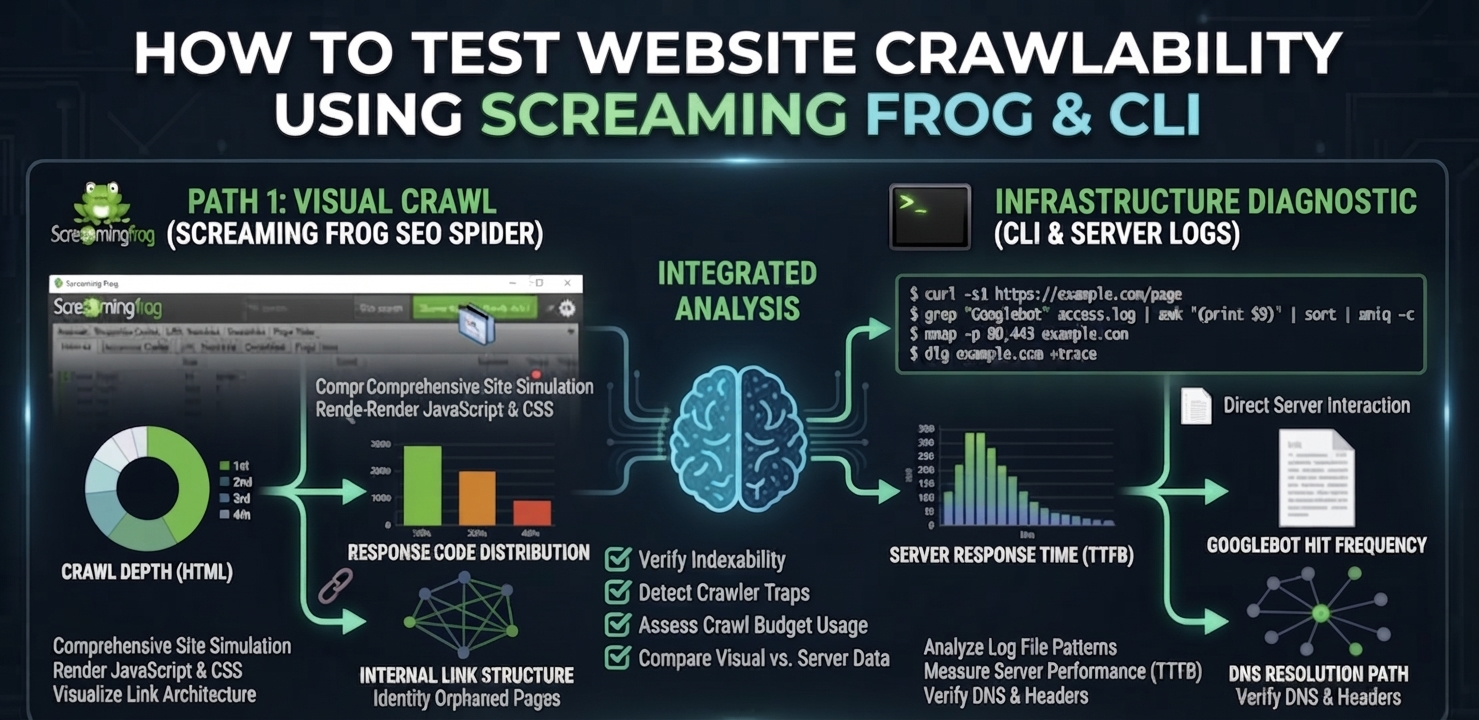
How to Test Website Crawlability Using Screaming Frog & CLI
Root Cause Summary: If your pages aren’t indexing, the root cause is almost always a blocked crawl path. Run a headless Screaming Frog crawl, then cross-c…
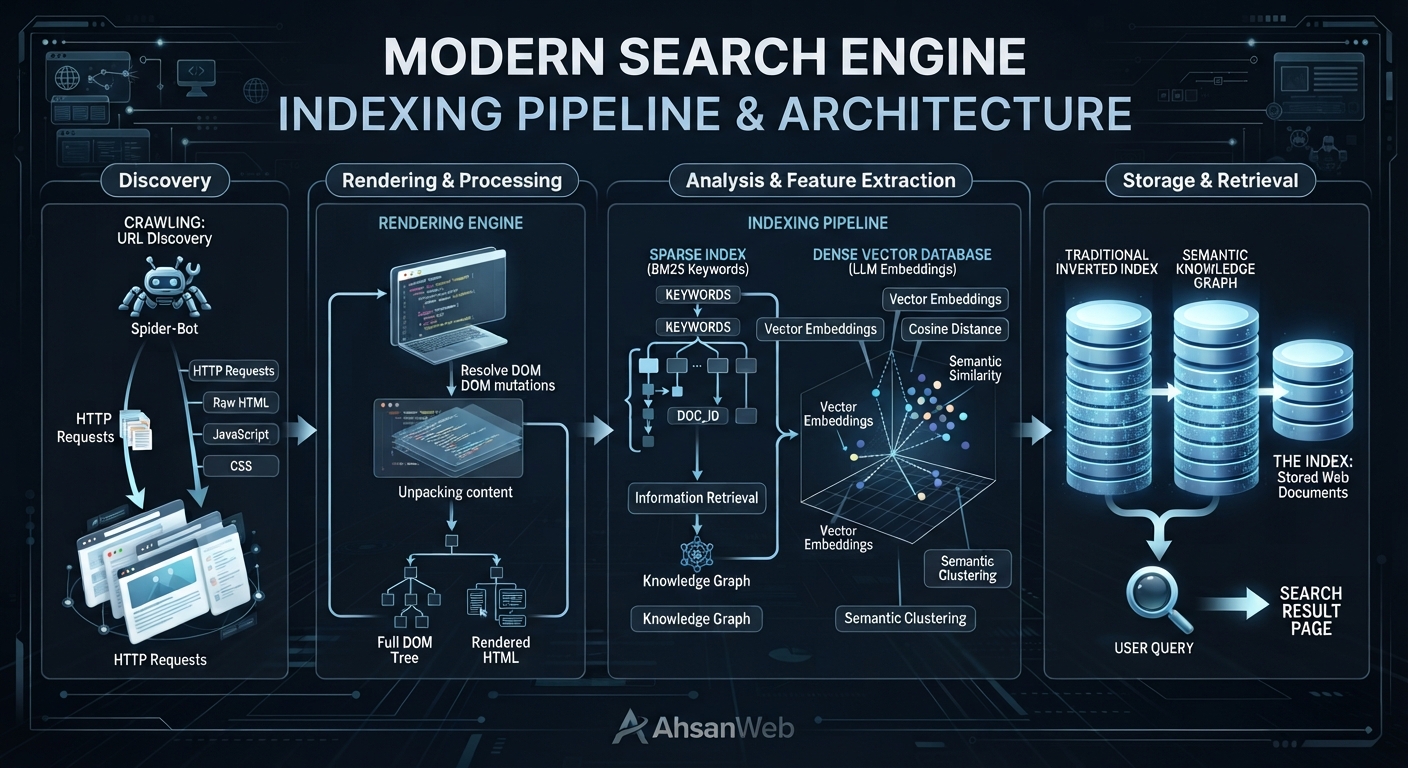
What Is an Indexed Page? How Search Engines & AI LLMs Index Web Content
An indexed page is a web page that a search engine has discovered, read, and saved in its database. When your page is indexed, it means it is eligible to show u…
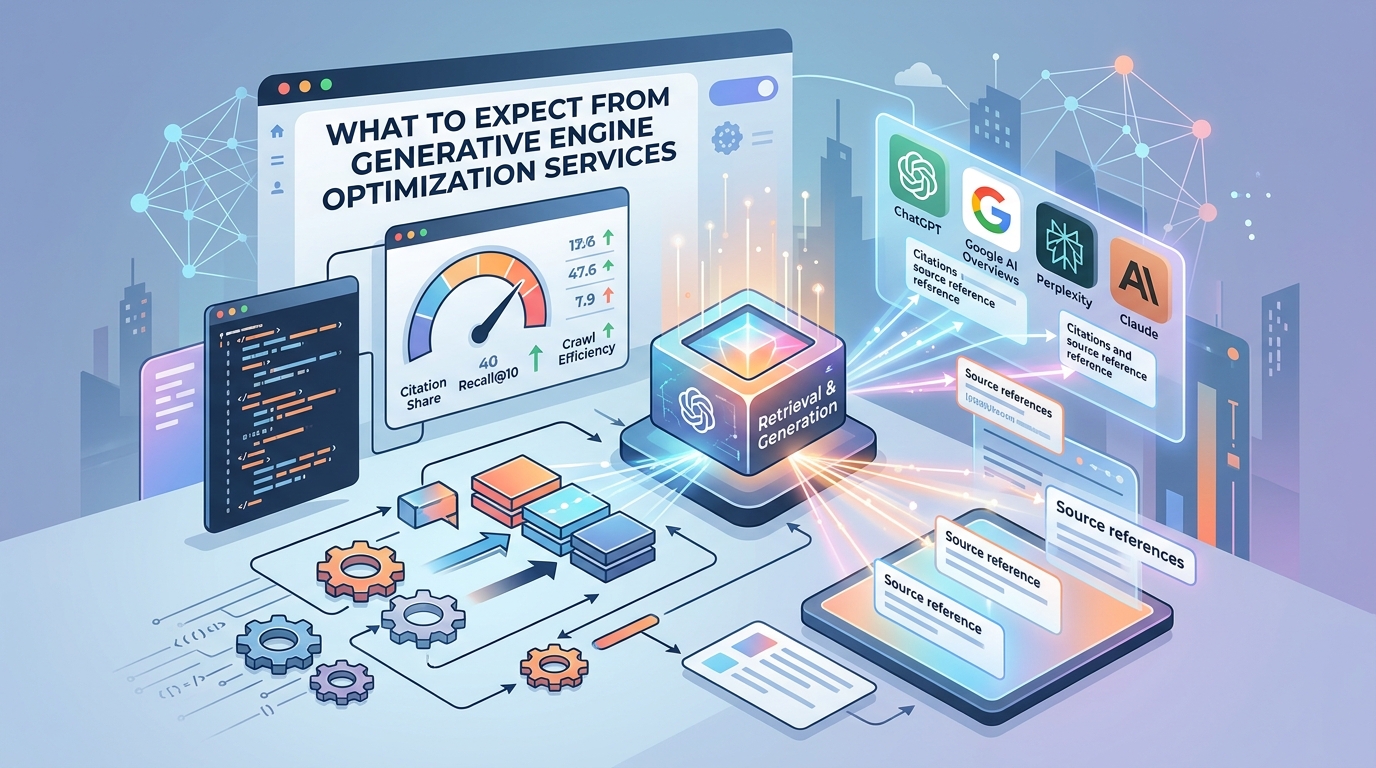
What to Expect from Generative Engine Optimization Services
What happens during a GEO engagement? Explore technical audits, AI crawler access, content restructuring, citation tracking, benchmarks, and ROI. …
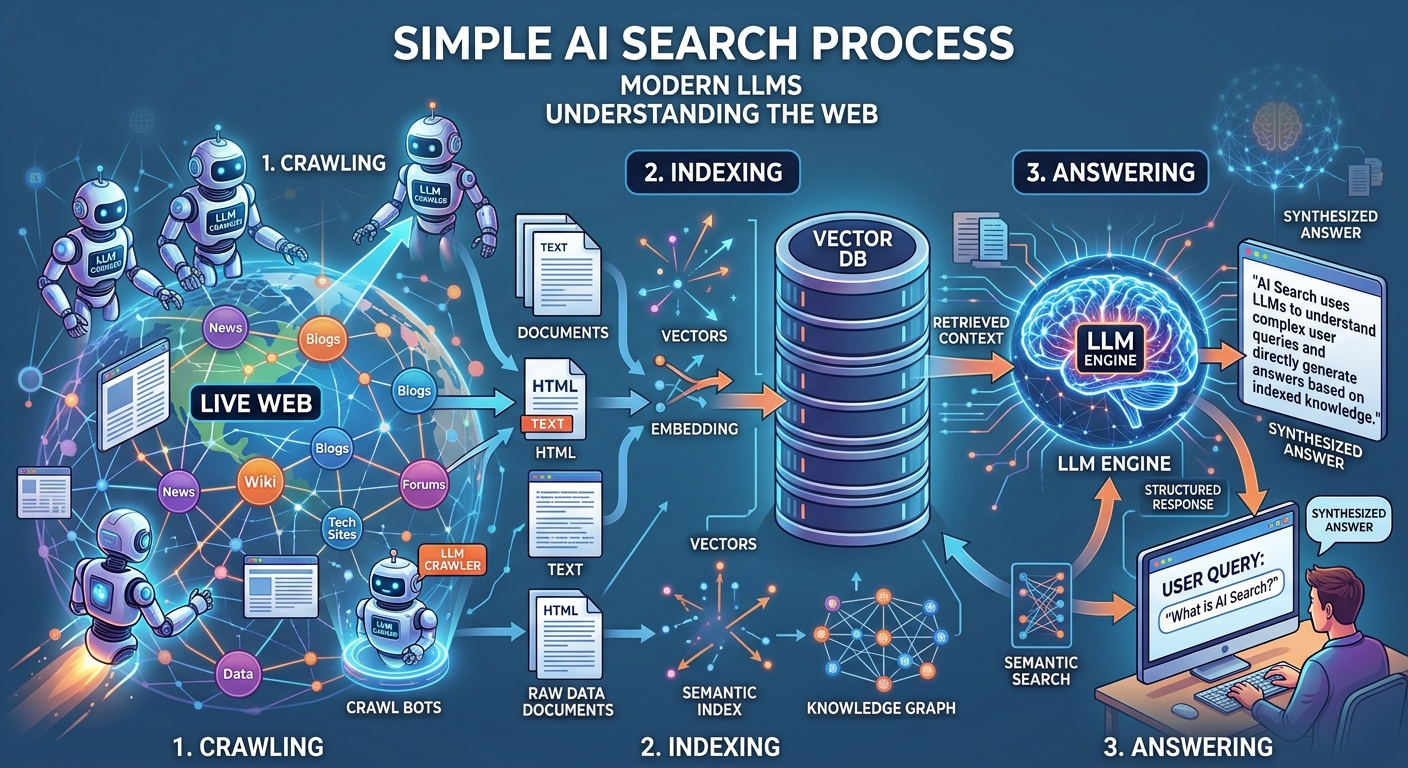
AI Search Optimization and Visibility: How Modern LLMs Crawl, Index, and Cite the Web
What Is AI Search Optimization? The Mechanics Behind AI Visibility AI search optimization is the practice of structuring content and technical infrastructure so…
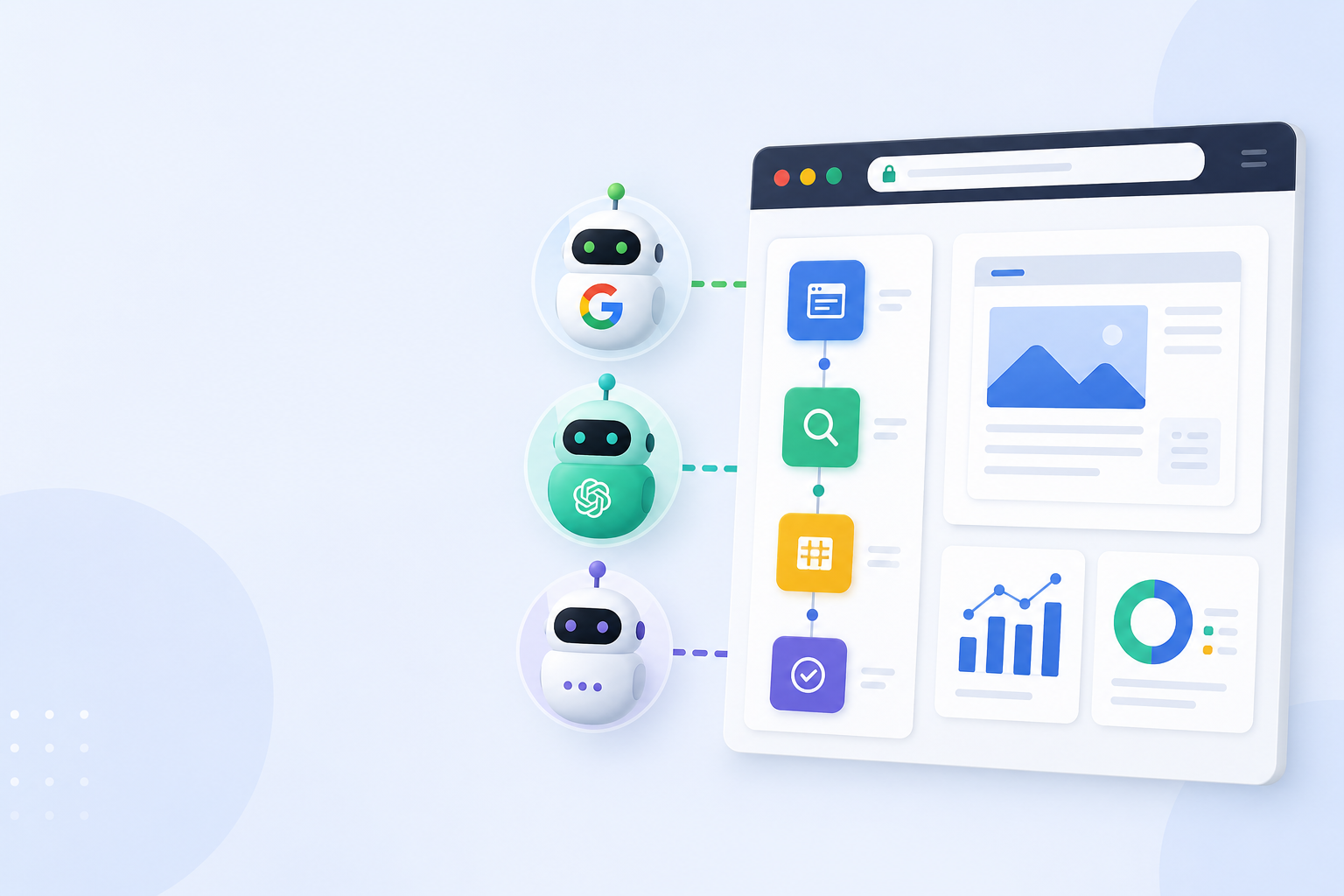
How Googlebot, GPTBot, and Other Crawlers Process Website
Most website owners think about one crawler: Googlebot. They configure their robots.txt for it, check their indexing status in Google Search Console, and measur…
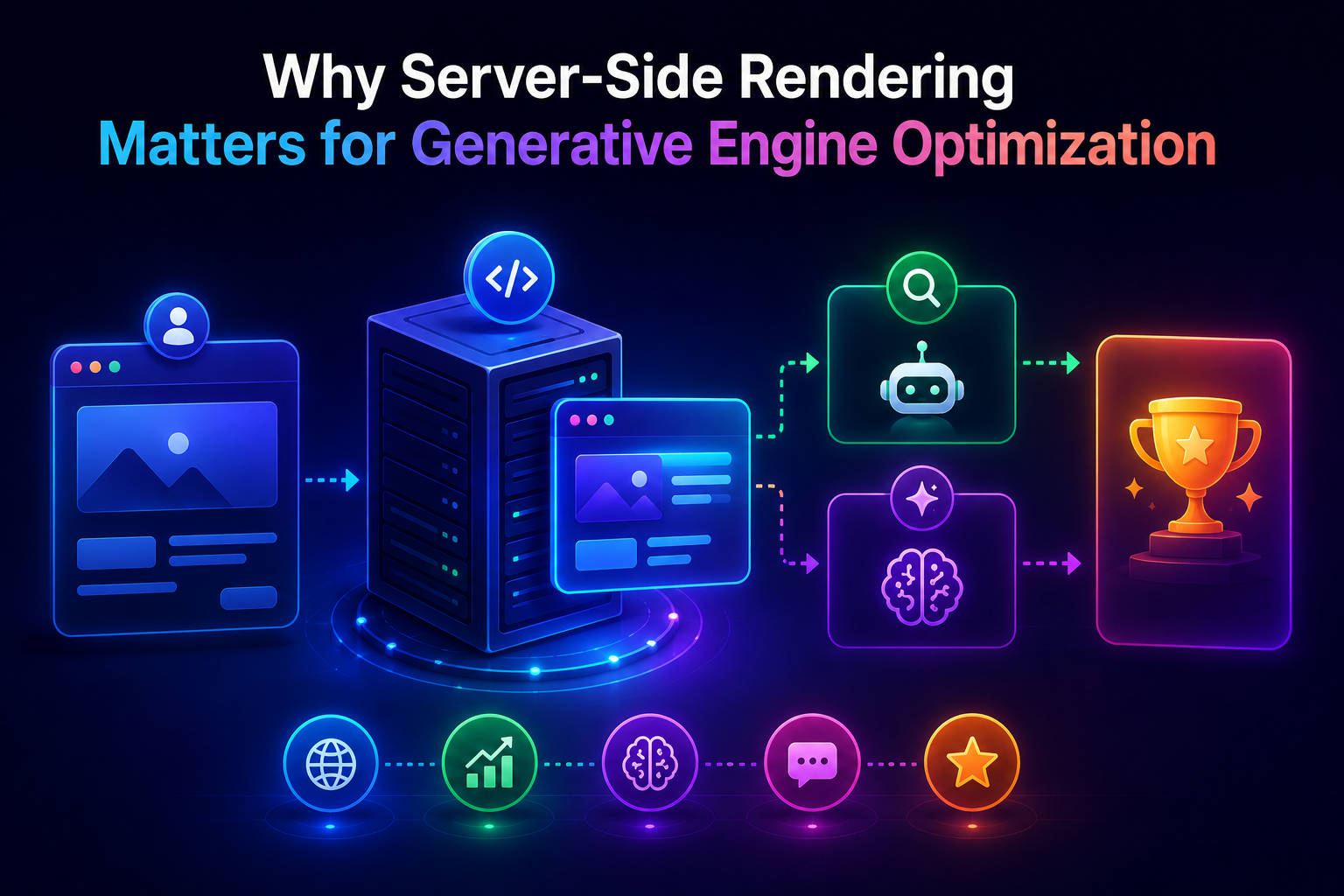
Why SSR Matters for Generative Engine Optimization
Generative Engine Optimization is usually framed as a content problem. Better answers, clearer structure, question-based headings. That advice is right — but it…

What AI Crawlers Actually See When They Visit Your Website
If you’ve been paying attention to the search landscape in 2026, you’ve probably started asking a version of the same question: Do I focus on Google…
Frequently Asked Questions
What are LLM citations?▾
How do SaaS companies get cited by ChatGPT or Perplexity?▾
Does ranking #1 on Google guarantee an AI citation?▾
What is citation share?▾
Why does server-side rendering matter for AI citations?▾
How long until citations improve?▾
Related Topical Hubs
Expand your knowledge across connected areas of the technical SEO and AI architecture map.
Find out why AI isn’t citing your SaaS
Get a bespoke audit, strategy or implementation from Tanvir Ahsan, who works with B2B SaaS and enterprise teams on LLM citation architecture.
Free first-look review. Written findings. No obligation.